
Charting a path through the plastic waste crisis: Recycling frontiers advancing circularity 24 views
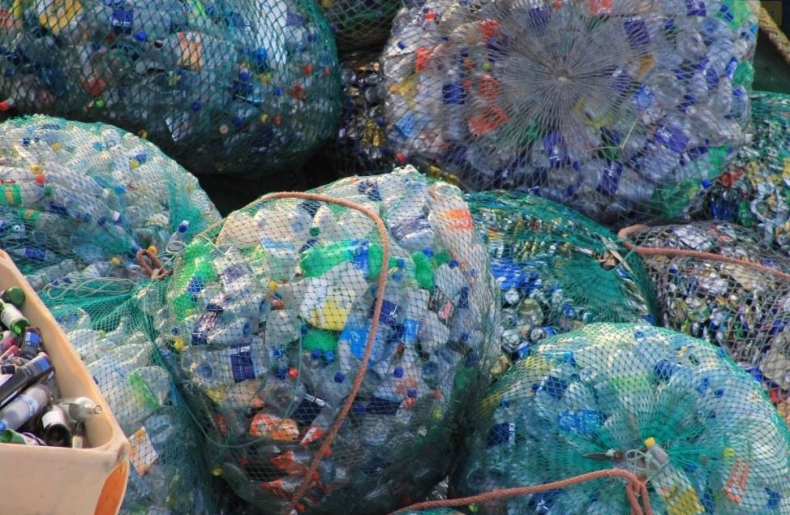
Every single item in the entire physical economy, without exception, will one day become landfill, or be incinerated. In a world plagued by an escalating waste crisis, the urgency to find viable solutions has become paramount. The repercussions of excessive consumption and single-use disposability has led to environmental degradation, endangered human health, and threatened biodiversity.
Nevertheless, amidst the turmoil, there emerges a glimmer of hope. Two significant potential solutions – the proliferation of mechanical recycling and chemical recycling – are presenting extensive opportunities to revolutionize our relationship with plastic waste. Virtually all types of plastic can be recycled through these processes. However, the decisive factor for an item being “recyclable” or “recycled” rests on economics. If an item’s collection, sorting, processing, and resale value outweigh the associated costs, it gets recycled. Otherwise, these materials contribute to the mounting waste in ecosystems, landfills, or incinerators.
The COVID-19 pandemic underscored this crucial distinction, especially with the drop in oil prices that made virgin plastics more cost-effective than recycled ones. This highlighted the subjective nature of recycling value, influenced by commodity price fluctuations. However, it also unveiled intriguing possibilities for innovation and the establishment of new recycling paradigms.
Investor Landscape
Despite the challenges faced by global capital markets, investments in climate technology have been on the rise. The growth in climate-related investment, driven by policies aimed at zeroing out emissions and achieving sustainability objectives, is defying market headwinds. In 2022, climate-related private-market investment surpassed the broader market in terms of deal activity, capital deployed, and flows into dedicated funds.
The momentum is expected to continue in 2023, as governments, corporations, and investors accelerate the adoption of climate technologies. Notably, European nations are speeding up their renewable energy plans while seeking to diversify their energy supplies. Unprecedented government programs in the United States and Europe, such as the US Inflation Reduction Act (IRA) and the EU Green Deal, are set to unlock significant capital to combat climate change.
Annual climate investments could reach $9 trillion to $12 trillion by 2030. Over the past four years, climate investing has experienced breakout growth. Equity investors have launched numerous sustainability, environmental, social, and governance (ESG), and impact funds. The cumulative assets under management in these funds have tripled from $90 billion to over $270 billion. Private-market equity investments in climate-oriented technologies and solutions have also soared, with a growth rate of 40 percent annually.
To succeed in the climate investing landscape, investors must exercise caution and identify investment opportunities that capture tailwinds while mitigating macro headwinds.
Eight factors are crucial for assessing climate-focused deals:
- Demonstrated technology and operational performance
- A clear path to cost competitiveness
- The ability to secure captive demand
- A leadership track record
- The ability to attract talent
- Access to policy support and incentives
- Readiness to hyperscale
- The ability to create and leverage ecosystems
The waste crisis may seem insurmountable, but within its depths lies the potential for transformation. Mechanical recycling and chemical recycling have emerged as game-changing solutions, offering opportunities to reshape our relationship with plastic waste. By embracing these innovative approaches, we can breathe new life into discarded materials, reduce our reliance on virgin resources, and create a more sustainable world.
Mechanical Recycling
Mechanical recycling is a well-established process that converts plastic waste into reusable materials through sorting, shredding, washing, and extrusion, while keeping the chemical composition of the plastic intact. Mechanical recycling is a highly favored solution due to its energy efficiency, structured value chain, and low greenhouse gas emissions. It relies on effective waste sorting and pre-sorting systems, along with separate collection of waste streams, to produce high-quality circular polymers.
Advanced Chemical Recycling
Advanced chemical recycling techniques, including dissolution, depolymerization, gasification, and pyrolysis, can complement mechanical recycling by handling non-recyclable or refined waste streams. However, these techniques are less mature and have higher greenhouse gas footprints. Despite their potential to convert recycled materials into hydrocarbons and expand the range of recyclable plastics while diverting waste from landfills, the high capital intensity and expensive outputs have hindered their scalability.
Dissolution involves dissolving plastic materials in a suitable solvent to separate the polymer from other components. Depolymerization breaks down polymers into their monomer units, while gasification converts solid plastic waste into a gaseous state through heat and controlled amounts of oxygen or steam. Pyrolysis decomposes plastic waste at high temperatures, producing gases, liquids, and char that can be used as fuels, chemicals, or further refined.
To unlock the full potential of chemical recycling, further development of technologies, expansion of infrastructure and sortation systems, and changes in consumer behavior are necessary. Collaboration across the value chain, including partnerships between technology providers, resin producers, waste-management companies, and consumer packaged goods (CPG) companies, is crucial for scaling up advanced recycling and driving demand for recycled materials.